三年行动与40处通道意味着什么
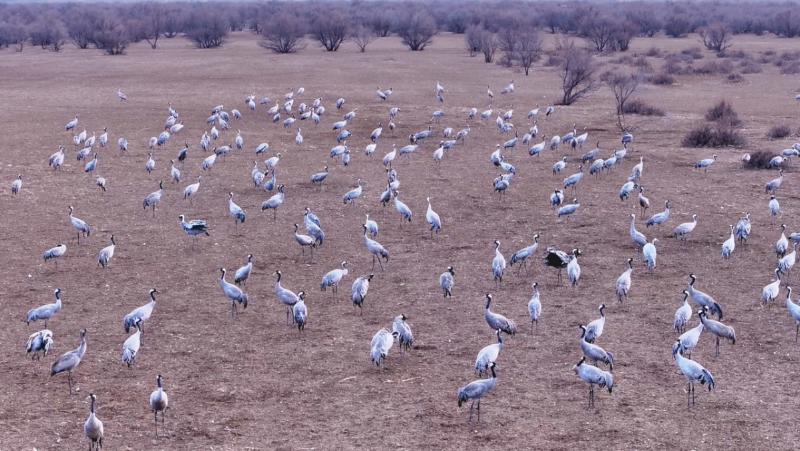
山西位于东亚—澳大利西亚候鸟迁飞通道,官方明确全省有40处重要候鸟迁徙通道,并将繁殖地、越冬地、停歇地和自然保护地纳入严格管理。这个数字用于保护部署,不是可逐一打卡的观鸟清单。
行动重点还包括打击非法捕猎、贩卖和借人工繁育名义“洗白”野生鸟。普通观鸟者应把现场巡护、禁入线和临时封闭视为行程条件,而不是妨碍拍摄的障碍。
到场后怎样服从保护边界
只去官方明确开放且有固定入口、步道或观景台的区域。遇到巡护加密、道路封闭、夜间禁入、防火限制或工作人员劝返时立即执行,不绕行村道、林间便道和河谷寻找替代入口。
秋迁鸟群需要补给与休息。不开无人机、不用强光或回放、不追车、不围堵起飞方向。鸟群警戒、停止取食或集体离开时应退后,并避免把迁徙高峰、夜栖位置和巡护空档公开。
发现网具或交易线索怎样安全报告
不要独自拆网、触碰鸟类、购买所谓“放生鸟”或与可疑人员对峙。先离开危险范围,记录时间、概略地点、网具或交易类型,以及能从安全距离取得的环境照片。
向属地林业、公安或保护地管理机构定向报告,紧急危险报警。保留原始资料,不在公开群扩散未处置网具的精确位置,以免打草惊蛇、引来围观或造成二次伤害。
What the three-year campaign and 40 corridors mean
Shanxi lies on the East Asian–Australasian Flyway. The official report identifies 40 important migration corridors and calls for strict management of breeding, wintering and stopover areas and protected land. The number guides protection deployment; it is not a checklist of 40 birding pins.
The campaign also targets illegal capture and trade, including the laundering of wild-caught birds through captive-breeding claims. Birders should treat patrols, exclusion lines and temporary closures as core trip conditions, not obstacles to photography.
Respecting boundaries on site
Visit only areas explicitly open through fixed entrances, paths or platforms. Obey intensified patrols, road closures, night restrictions, fire controls and turn-back instructions immediately. Do not seek another entrance along a village road, forest track or valley.
Migrants need food and rest. Do not use drones, strong lights, playback or vehicle pursuit, and never occupy a takeoff direction. Retreat when a flock becomes vigilant, stops feeding or leaves collectively, and never publish peak passage, roosts or patrol gaps.
Safely reporting nets or trade
Do not dismantle a net alone, handle birds, buy supposed release birds or confront a suspect. Leave danger first, then note the time, broad locality, type of net or trade and any environmental image that can be taken safely from distance.
Report privately to local forestry, police or protected-area management, using emergency services for immediate danger. Keep original evidence but never circulate the exact position of an unresolved net publicly; publicity may warn offenders, attract crowds or cause further harm.