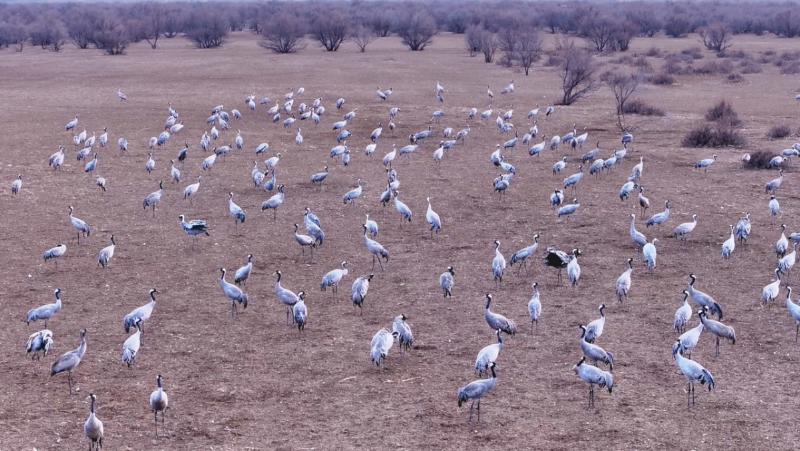
节前检查与观鸟有什么关系
官方通报确认,检查涉及白马湖国家湿地公园、古堰省级森林公园等点位,并关注森林防火、游乐设施运行安全,以及白马湖、洪泽湖候鸟迁徙重要栖息地的野生动物疫源疫病监测。通报没有公布异常鸟只、具体鸟种或疫情结论。
因此,观鸟者不应把“开展监测”误写成“已发生疫情”,也不能自行采样或传播未经确认的物种与病因。监测的意义是尽早发现异常并由专业体系判断。
发现死伤鸟执行四步流程
第一不触摸、不捡拾、不解剖;第二让儿童、宠物和围观者远离,避免踩踏羽毛、排泄物或水体边缘;第三在安全距离记录时间、公园级位置、数量和可见状态;第四直接联系景区管理、属地林业或动物疫病监测部门。
不要把鸟带回酒店、车辆或救助站门口,也不要自行掩埋、焚烧或投入垃圾桶。若已意外接触,避免触碰眼口鼻,尽快清洁双手和可能污染的物品,并按当地卫生与管理部门指引处理。
假期湿地还要同时守三条安全线
遵守防火规定,不吸烟、不使用明火,不把车辆停在枯草或应急通道;使用游船、栈道或游乐设施时服从载客、开放和天气限制;在湖岸不跨护栏、不走软泥和水位变化区。
观鸟只在公开步道和平台完成,成群水鸟因人靠近而游离、起飞或停止取食时立即后退。公开记录只到公园或湖区级别,不传播监测点、夜栖面或珍稀鸟的实时精确位置。
Why a holiday inspection matters to birders
The official report confirms checks at Baima Lake National Wetland Park, Guyan Provincial Forest Park and other sites, covering forest-fire prevention, recreation-facility safety and wildlife disease monitoring in important migration habitats at Baima and Hongze lakes. It reports no abnormal bird, named species or disease conclusion.
'Monitoring is underway' must not be rewritten as 'an outbreak has occurred'. Birders should not collect samples or circulate an unconfirmed species or cause. Monitoring exists so professionals can detect and assess abnormalities early.
Use a four-step protocol for sick or dead birds
First, do not touch, collect or examine the bird. Second, keep children, pets and onlookers away from feathers, droppings and the water edge. Third, from a safe distance record time, park-level locality, number and visible condition. Fourth, contact site management, local forestry or the responsible animal-disease monitoring authority directly.
Do not take a bird to a hotel, vehicle or leave it outside a rescue centre. Do not bury, burn or bin it yourself. After accidental contact, avoid eyes, mouth and nose, clean hands and possibly contaminated items promptly, and follow local health and site instructions.
Three other holiday wetland safety lines
Follow fire controls: no smoking or open flame, and never park on dry vegetation or emergency access. Obey capacity, opening and weather limits for boats, boardwalks and visitor facilities. Do not cross barriers or enter soft mud and changing water-level zones.
Bird only from public paths and platforms. Retreat when waterbirds swim away, flush or stop feeding. Publish no more than park- or lake-level locality, never a monitoring point, roost or precise live position of a rare bird.