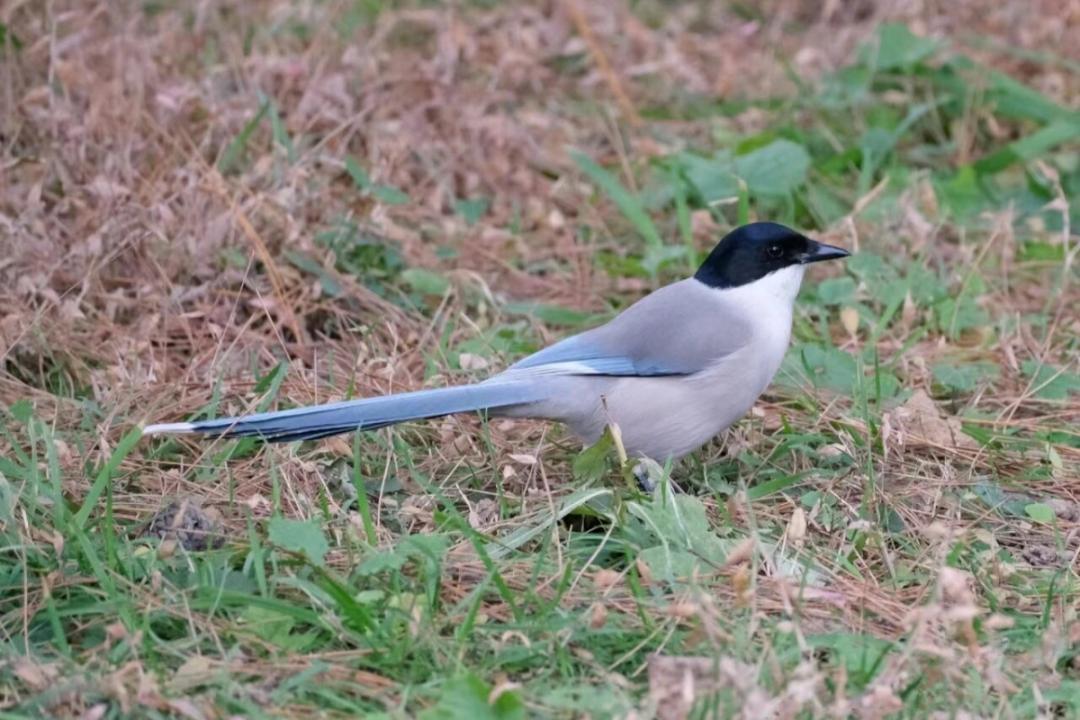
先判断是受伤还是正常离巢
官方案例中的鸟被明确描述为受伤野生八哥,发现者没有自行处置,而是联系林业部门。普通人首先应远距离观察:羽毛基本完整、能跳跃、亲鸟仍在附近的离巢幼鸟通常不需要带走;明显出血、翅膀下垂、无法站立、被线缠绕或处于车流危险中,才更可能需要救护。
在校园或居民区先让儿童、宠物和围观者退开,降低噪声与追逐压力。不要为了确认伤情反复抓握、展开翅膀或把鸟抛起测试飞行。
联系专业机构时说清四件事
向属地林业、野生动物救护或公安说明发现时间、大致地点、鸟的行为与可见伤情、现场危险来源。可在不使用闪光灯、不靠近头部的情况下拍一张全身照片辅助判断,但不把定位公开到社交平台。
等待指引期间不要喂牛奶、面包、米饭或强行灌水,也不要自行用药。错误食物、误吸和应激都可能加重伤情;能否救护、如何转运以及何时放归应由专业人员决定。
被要求临时安置时怎么做
只有在专业人员明确指导下才临时收容。使用有透气孔、大小适中的纸箱,箱底铺无散线的干净软布,放在安静、昏暗、温度稳定且远离猫狗的位置;不要用透明笼展示。
交接时把发现时间、是否移动过、是否接触玻璃或车辆、是否进食饮水等信息一并说明。不要把康复鸟带到公园随地放飞,更不能因为八哥会模仿声音就长期圈养或训练。
First distinguish injury from normal fledging
The official case explicitly describes an injured wild Crested Myna, and the finder contacted forestry rather than treating it independently. Observe first from a distance. A fully feathered fledgling that hops while adults remain nearby usually should not be removed; active bleeding, a drooping wing, inability to stand, entanglement or immediate traffic danger more clearly indicate rescue need.
Near a school or home, move children, pets and onlookers away to reduce noise and pursuit. Do not repeatedly handle the bird, spread its wings or throw it into the air to test flight.
Report four essentials
Tell local forestry, a wildlife rescue service or police the time, broad location, behaviour, visible injury and source of danger. One full-body photograph without flash may help assessment, but do not publish the location on social media.
While waiting for instructions, do not give milk, bread or rice, force water or administer medicine. Wrong food, aspiration and stress can worsen injury. Qualified staff must decide care, transport and release timing.
Temporary holding only when instructed
If a professional asks you to hold the bird, use a ventilated cardboard box of suitable size with clean, thread-free soft cloth. Keep it quiet, dim, temperature-stable and away from cats and dogs; never display it in a transparent cage.
At handover, report discovery time, any movement, possible window or vehicle collision, and whether it received food or water. Never release a recovering bird in a random park, and do not keep or train a Crested Myna because it can imitate sounds.